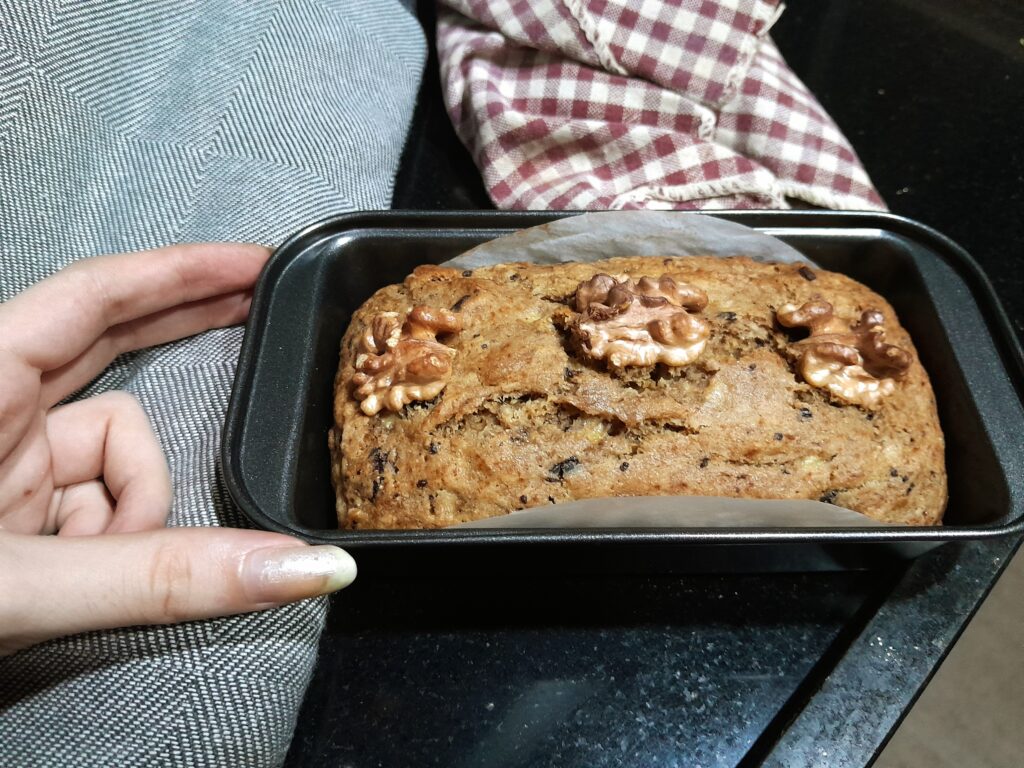
Baking has, for so long, been made to appear as if it is somehow incomplete without eggs. It has been widely presumed that eggs are the essence of cakes, cookies, and baking itself, and that if they are not used, then the final products will somehow inevitably turn out dense, dry, or unsuccessful. The reality, however, is that eggless baking is as good as, if not better than it’s non vegetarian counterpart.
In baking, it is common to find three roles associated with eggs:
Binding, moisture, and structure. It is easy to see, if you take the time to understand these ingredients, that these roles are not necessarily in a category of things that are irreplaceable. There are plant foods as well as dairy products which already are commonly used in baking.
Control is definitely one of the greatest positives that eggless baking has over the traditional method. This is simply because eggs are quite strong ingredients. This means that a mere adjustment can lead to a rubbery or very hard texture that tends to smell like eggs. Eggless baking, on the other hand, includes more subdued ingredients such as yogurt or natural acids that work together with the help of leavening agents.
Eggless cakes also don’t raise well, according to a common misconception. Rising in baked goods actually has nothing to do with eggs. It has to do with agents like baking powder, baking soda, or the acids in vinegar or yogurt. When combined and used the right way, these agents can produce perfectly light cakes that are actually softer than those made with eggs.
The other thing that eggless baking promotes is inclusiveness. It is ideal for vegetarians, people who are allergic to eggs, and people who choose plant-based diets. In India, people are quite familiar with eggless pastries due to it’s considerably high vegetarian population, so to me it seems natural to promote eggless baking as someone who doesn’t eat eggs as well.
From a health standpoint, egg-free baking tends to gravitate toward using ingredients that provide more in terms of nutrition to the body. Yogurt contributes probiotics and hydration, fruits provide sweetness and fiber content to the food, while nut-derived ingredients provide healthy fats. This ensures there is no duplication of food and healthy living when it comes to desserts. There is also a mental shift that happens.
Eggless baking encourages bakers to know why something is being done rather than following a procedure. This helps with confidence because you can create any bake the way you like with little reliance on eggs. One of the most underrated advantages is that of consistency. There is always variation when it comes to the size of eggs, freshness, and temperature. Eggless components are less sensitive to such factors and, therefore, easier to work with. Eggless baking is not about making do. It’s about doing it another way, where understanding and balance, rather than just creativity, count. Eggless baked goods would not miss eggs if they were done properly. They would be moist, and they would be very satisfying.